
Google Ads vs Facebook Ads is one of the most common comparisons businesses make when deciding where to invest their marketing budget. Both platforms can generate leads, increase brand visibility, and drive revenue, but they work in very different ways.
In most cases, Google Ads is better for capturing high-intent prospects actively searching for a solution, while Facebook Ads excels at building awareness, nurturing audiences, and generating demand. The best choice depends on your industry, goals, budget, and how quickly you need results
Need Help Choosing the Right Advertising Strategy?
Whether you’re considering Google Ads, Facebook Ads, or a combination of both, having the right strategy can significantly impact your results.
Binary Ideas Local Marketing
9525 4th Place, Lorton, VA 22079
Phone: (703) 690-9726
What Is the Difference Between Google Ads and Facebook Ads?
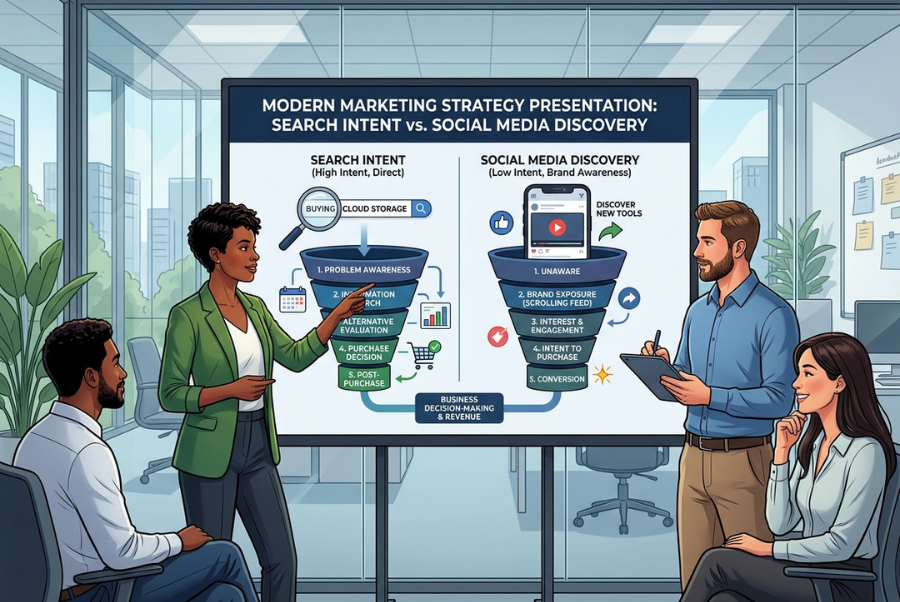
The biggest difference between Google Ads and Facebook Ads is user intent.
Google Ads targets people actively searching for products and services. Facebook Ads targets people based on interests, demographics, behaviors, and engagement patterns.
When someone searches for:
- “HVAC repair near me”
- “best dentist in Northern VA”
- “Google Ads agency”
they already have a need and are actively looking for a solution.
By contrast, Facebook users are scrolling through content when they encounter an advertisement. They may not be actively searching for a service but can become interested through compelling offers, visuals, and messaging.
This creates two distinct lead-generation models:
Google Ads = Demand Capture
You capture prospects already looking for help.
Facebook Ads = Demand Creation
You introduce your business to prospects who may not have been actively searching.
Understanding this distinction is critical because it influences lead quality, conversion rates, and overall ROI.
Now that you understand the core difference, let’s examine how each platform works.
How Google Ads Works for Lead Generation
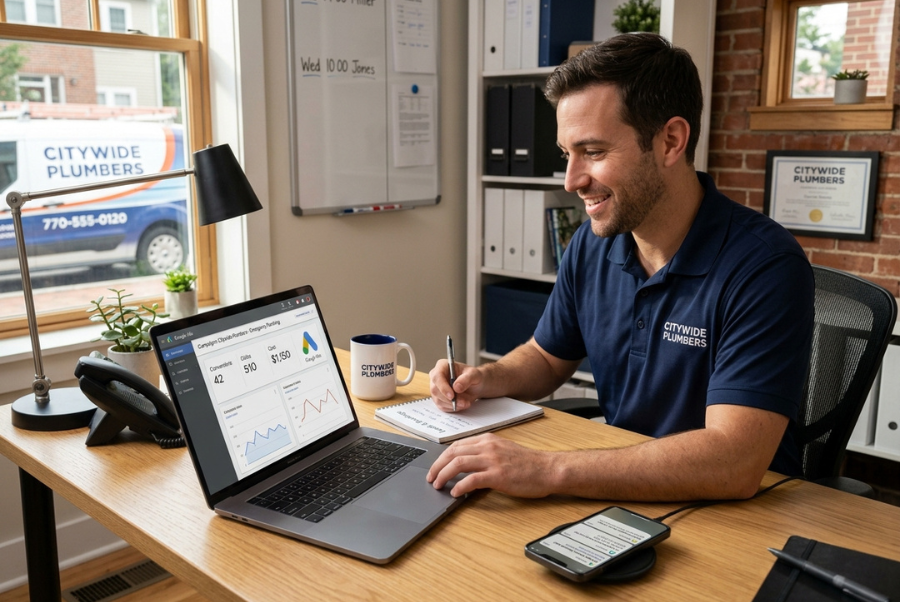
Google Ads operates on a pay-per-click (PPC) model where advertisers bid on keywords relevant to their products or services.
When users search those keywords, ads can appear at the top of Google’s search results.
Lead-generation campaigns typically send visitors to:
- Landing pages
- Contact forms
- Quote request forms
- Appointment booking pages
- Call-only campaigns
One major advantage of Google Ads is intent-based targeting.
Users searching for terms such as:
- “roof repair near me”
- “emergency plumber”
- “chiropractor accepting new patients”
often have immediate needs and are ready to take action.
Benefits of Google Ads include:
- Higher purchase intent
- Faster lead generation
- Strong local targeting
- Better short-term ROI potential
Google’s advertising documentation also notes that campaign quality, ad relevance, and landing page experience significantly influence ad performance and advertising costs.
Google Ads campaigns can include:
Search Ads
Ideal for high-intent lead generation.
Local Services Ads
Excellent for service businesses seeking phone calls and qualified inquiries.
Display Ads
Useful for brand awareness and remarketing.
YouTube Ads
Effective for educational marketing and audience development.
For example, a local HVAC company running ads for “AC repair near me” during summer can often generate calls within hours because the user already needs immediate assistance.
If you’re new to paid advertising, consider exploring how Google Ads works for local businesses to better understand search-driven lead generation.
Next, let’s examine Facebook Ads.
How Facebook Ads Works for Lead Generation

Facebook Ads focuses on audience targeting rather than keyword targeting.
Businesses can target users based on:
- Interests
- Demographics
- Behaviors
- Geographic location
- Income levels
- Website activity
- Previous engagement
This allows advertisers to reach potential customers before they begin searching.
Meta emphasizes the importance of audience targeting, creative testing, and campaign optimization when generating leads through Facebook Ads.
Facebook Ads is particularly effective for:
- Brand awareness
- Retargeting campaigns
- Community engagement
- Promotional offers
- Visual products and services
- Long-term nurture campaigns
Popular Facebook lead-generation formats include:
- Lead forms
- Video ads
- Carousel ads
- Messenger campaigns
- Retargeting ads
For example, a med spa may target women interested in wellness and skincare. While those users are not actively searching for treatment, compelling creative can generate interest and consultations.
Facebook Ads often provides lower click costs than Google Ads. However, because users are not actively searching, lead quality and conversion rates may vary more significantly.
Now let’s compare costs.
How Much Do Google Ads and Facebook Ads Cost?
Advertising costs vary depending on industry competition, audience targeting, geography, and campaign quality.
Google Ads Pricing
Average costs often include:
- Local services: $5–$25 per click
- Medical services: $8–$50 per click
- Home services: $10–$40 per click
- Legal services: $20–$100+ per click
Typical monthly budgets:
- Small campaigns: $1,000–$2,500
- Growth campaigns: $3,000–$10,000+
Factors influencing cost include:
- Keyword competition
- Location
- Landing page quality
- Ad relevance
- Industry demand
While Google Ads can be expensive, higher buyer intent frequently results in stronger conversion rates.
Facebook Ads Pricing
Facebook Ads generally offers lower click costs.
Average ranges include:
- Cost per click: $0.50–$5
- Cost per lead: $10–$60
Typical monthly budgets:
- Starter campaigns: $500–$2,000
- Growth campaigns: $2,000–$8,000+
Factors influencing Facebook costs include:
- Audience size
- Creative quality
- Campaign objectives
- Market competition
- Ad frequency
A critical insight many businesses overlook is that cheaper leads do not automatically create better ROI.
A Google lead costing $80 may convert three times more often than a Facebook lead costing $15. In that scenario, Google Ads could deliver a significantly better return despite the higher cost per lead.
Google Ads vs Facebook Ads: Which Platform Is Better?
The answer depends on your business goals.
Google Ads Is Usually Better For:
- Local service providers
- Emergency services
- Search-driven industries
- Short buying cycles
- Immediate lead generation
Examples include:
- HVAC companies
- Roofers
- Dentists
- Chiropractors
- Lawyers
- Plumbers
Facebook Ads Is Usually Better For:
- Brand awareness
- Visual industries
- Lifestyle businesses
- Community engagement
- Long sales cycles
- Audience nurturing
Examples include:
- Med spas
- Fitness businesses
- Real estate professionals
- Coaches
- Wellness brands
The Best Strategy: Use Both
Many successful businesses combine Google Ads and Facebook Ads.
A typical strategy looks like this:
- Facebook Ads introduces your brand.
- Prospects visit your website.
- Google Ads captures future searches.
- Retargeting reconnects non-converting visitors.
- Automated follow-up nurtures leads.
This full-funnel approach often generates stronger long-term results than relying on a single platform.
Is Google Ads or Facebook Ads Worth It? (ROI Comparison)
Both platforms can produce excellent ROI when managed correctly.
Google Ads often provides:
- Faster results
- Higher intent traffic
- Strong conversion rates
- Better local lead generation
Facebook Ads often provides:
- Lower traffic costs
- Greater audience reach
- Strong remarketing opportunities
- Increased brand awareness
However, ROI depends on much more than advertising costs.
Key factors include:
- Lead quality
- Landing page performance
- Follow-up speed
- Sales process efficiency
- Customer lifetime value
One expert-level insight is that lead response time dramatically impacts conversion rates. Research published by Harvard Business Review found that businesses responding quickly to incoming leads significantly improve their chances of connecting with prospects and closing sales.
Example ROI Scenario
A local service company spends:
- $2,000 on advertising
- Generates 20 leads
- Converts 5 customers
- Average customer value = $1,500
Results:
- Revenue = $7,500
- Ad spend = $2,000
- Gross return = $5,500
In this example, the campaign is profitable despite relatively high lead costs.
This demonstrates why lead quality matters more than simply chasing the cheapest leads.
Businesses evaluating long-term growth should also compare SEO and Google Ads when determining the best marketing mix.
What to Expect When Running Paid Ads
Businesses should understand that successful advertising requires optimization.
Very few campaigns produce peak performance immediately.
Typical Optimization Timeline
First 30 Days
- Audience testing
- Keyword research
- Ad copy refinement
- Conversion tracking setup
Days 30–60
- Landing page improvements
- Budget optimization
- Audience refinement
- Lead quality analysis
Days 60–90
- Scaling successful campaigns
- Retargeting improvements
- Cost-per-lead reduction
- ROI optimization
Most businesses begin identifying meaningful trends after 60–90 days of ongoing optimization.
Advertising performance improves significantly when paired with:
- CRM systems
- AI automation
- Email nurturing
- SMS follow-up
- Retargeting campaigns
Many businesses lose opportunities not because of poor ads, but because of weak follow-up systems.
How to Choose the Right Advertising Partner
Choosing the right advertising partner can dramatically impact results.
Look for agencies that:
- Focus on ROI
- Track conversions
- Understand lead generation
- Provide transparent reporting
- Build optimized landing pages
- Understand local markets
Avoid providers that:
- Guarantee instant results
- Focus only on clicks and impressions
- Ignore conversion tracking
- Use generic strategies for every industry
The best marketing partners combine:
- Google Ads
- Facebook Ads
- Local SEO
- AI automation
- Conversion optimization
This integrated approach creates a stronger and more predictable lead-generation system.
Key Takeaways
- Google Ads captures high-intent searches.
- Facebook Ads creates awareness and demand.
- Google Ads often generates leads faster.
- Facebook Ads typically offers lower click costs.
- ROI depends on lead quality, not just lead cost.
- Combining both platforms often produces the best results.
- Follow-up systems significantly influence conversion rates.
Frequently Asked Questions
Is Google Ads better than Facebook Ads for local businesses?
For businesses needing immediate leads, Google Ads often performs better because users are actively searching for services. Facebook Ads remains highly effective for awareness and retargeting.
Which platform generates cheaper leads?
Facebook Ads generally produces lower-cost leads. However, Google Ads frequently generates higher-intent leads that convert at better rates.
Should businesses use both Google Ads and Facebook Ads?
Yes. Many businesses achieve the strongest results when using both platforms together as part of a full-funnel marketing strategy.
How long does it take to see results from paid advertising?
Some campaigns generate leads within days, while others require several weeks of testing and optimization. Most businesses begin seeing meaningful performance data within 30–90 days.
What are the biggest risks of running Google Ads or Facebook Ads?
The most common risks include poor audience targeting, weak landing pages, slow follow-up, and ineffective budget management. Proper tracking, optimization, and lead nurturing significantly reduce these risks.
Conclusion
When comparing Google Ads vs Facebook Ads, there is no universal winner for every business. Google Ads excels at capturing high-intent prospects, while Facebook Ads helps businesses build awareness, engage audiences, and nurture future customers.
The most successful lead-generation systems often combine both platforms with strong landing pages, retargeting campaigns, AI automation, and rapid follow-up processes.
Businesses looking for professional campaign management can benefit from strategic advertising systems designed to improve lead quality, increase conversion rates, and maximize marketing ROI.
If you’re trying to determine whether Google Ads, Facebook Ads, or a combined strategy is the best fit for your business, contact Binary Ideas Local Marketing to discuss your goals and create a customized lead-generation plan.
Binary Ideas Local Marketing
9525 4th Place, Lorton, VA 22079
Phone: (703) 690-9726
Website: https://binaryideas.com/contact-us/
Internal Links
- What Is AI Automation for Businesses and How It Drives More Leads
- How Much Does Google Ads Cost for Local Businesses and Is It Worth It
- SEO vs Google Ads: Which One Gives Faster ROI for Local Businesses
- Google and Facebook Ads Services
External Resources
- Google Ads Help Center
https://support.google.com/google-ads/ - Meta Business Advertising Resources
https://www.facebook.com/business/ads - Harvard Business Review: The Short Life of Online Sales Leads
https://hbr.org/2011/03/the-short-life-of-online-sales-leads